Energy

By Harish Thapar , 20 March 2026

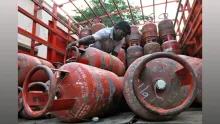
A sharp rise in fraudulent phone calls linked to LPG bookings has emerged as a serious concern in Punjab, fueled by rumors of supply disruptions and heightened consumer anxiety. Cybercriminals are exploiting panic-driven demand by impersonating representatives of major gas providers and using phishing tactics to extract sensitive financial information. Authorities warn that increased digital adoption, combined with misinformation about shortages, has created a fertile environment for such scams.

By Harish Thapar , 20 March 2026

Nirmala Sitharaman has announced measures to strengthen India’s energy and agricultural supply chains amid geopolitical disruptions in West Asia. With LPG imports impacted due to the closure of the Strait of Hormuz, the government is accelerating domestic production to ensure uninterrupted household supply. Simultaneously, authorities have confirmed adequate fertiliser availability for the upcoming Kharif season and plans for timely imports for the Rabi cycle. In a significant fiscal move, the government will also clear Rs.

By Keshav Sharma , 17 March 2026

In response to evolving geopolitical tensions in West Asia, the Indian government announced a 31% increase in domestic liquefied petroleum gas (LPG) production to secure uninterrupted supply for households nationwide. Officials from the Ministries of Petroleum and Natural Gas, External Affairs, Ports, Shipping and Waterways, and Information and Broadcasting highlighted that all refineries are operating at high capacity, maintaining sufficient crude oil inventories. The government confirmed India’s self-sufficiency in petrol and diesel production, eliminating the need for imports.

By Harish Thapar , 16 March 2026

HPCL-Mittal Energy Limited (HMEL) has announced a major investment of Rs 2,600 crore in the specialty and fine chemicals sector in Punjab, signaling a strategic diversification beyond traditional refining operations. The announcement was made by industrialist Lakshmi Niwas Mittal during the Progressive Punjab Investors Summit 2026. In addition to the chemical sector expansion, the company plans to enter the fuel retail market by establishing 500 fuel stations across India. 

By Harish Thapar , 16 March 2026

India’s liquefied petroleum gas (LPG) refill bookings have declined from approximately 88.8 lakh to around 77 lakh, signaling a slowdown in precautionary purchases as authorities reassure citizens about the stability of fuel supplies. Despite geopolitical tensions in West Asia, the government has confirmed that petrol, diesel, and cooking gas remain readily available across the country. 

By Vibha Dhawan , 15 March 2026

The Indian government has introduced a significant policy change aimed at optimizing the distribution of cooking fuel across households. Under a new amendment to existing regulations, households that have access to piped natural gas (PNG) for cooking will no longer be permitted to retain or obtain subsidized domestic LPG connections. The move is intended to streamline fuel distribution and reduce pressure on liquefied petroleum gas supplies during a period of global energy market disruptions.

By Neena Sachdeva , 15 March 2026

Global geopolitical developments and crude oil price fluctuations are expected to play a decisive role in determining the direction of equity markets in the coming week. Analysts say investor sentiment will remain closely tied to developments surrounding the ongoing conflict in West Asia, which has already triggered volatility in global energy markets. In addition, market participants will carefully monitor key domestic macroeconomic indicators, including wholesale inflation data, trade balance figures, and foreign exchange reserves.

By Neena Sachdeva , 15 March 2026

India’s state-owned oil marketing companies (OMCs) are evaluating a controversial strategy to manage rising financial pressure caused by a prolonged freeze on retail fuel prices. With international crude oil prices climbing from around USD 70 per barrel to more than USD 100 due to geopolitical tensions in West Asia, domestic petrol and diesel prices have remained unchanged. This gap has forced OMCs to absorb significant losses. To offset the financial burden, companies are reportedly considering reducing payments to refineries by altering refinery transfer prices.